
Master Your Nutrition
A Beginner's Complete Guide to Sports Nutrition for Athletic Performance and Sustainable Results
Why Nutrition Matters for Athletes
Proper nutrition is the foundation of athletic success. Whether you're training for endurance, strength, or competitive sports, what you eat directly impacts your performance, recovery, and long-term health. Many beginners underestimate the power of strategic nutrition planning, missing out on significant gains and faster progress toward their fitness goals.
At Fitnessnutritioncore, we believe that every athlete deserves clear, science-backed guidance on fueling their body. From macro and micronutrient balance to meal timing and hydration strategies, we break down complex nutrition concepts into practical, actionable steps you can implement immediately.
Our editorial mission is to empower beginners with the knowledge needed to make informed dietary choices that enhance athletic performance, improve recovery, and support sustainable lifestyle changes.
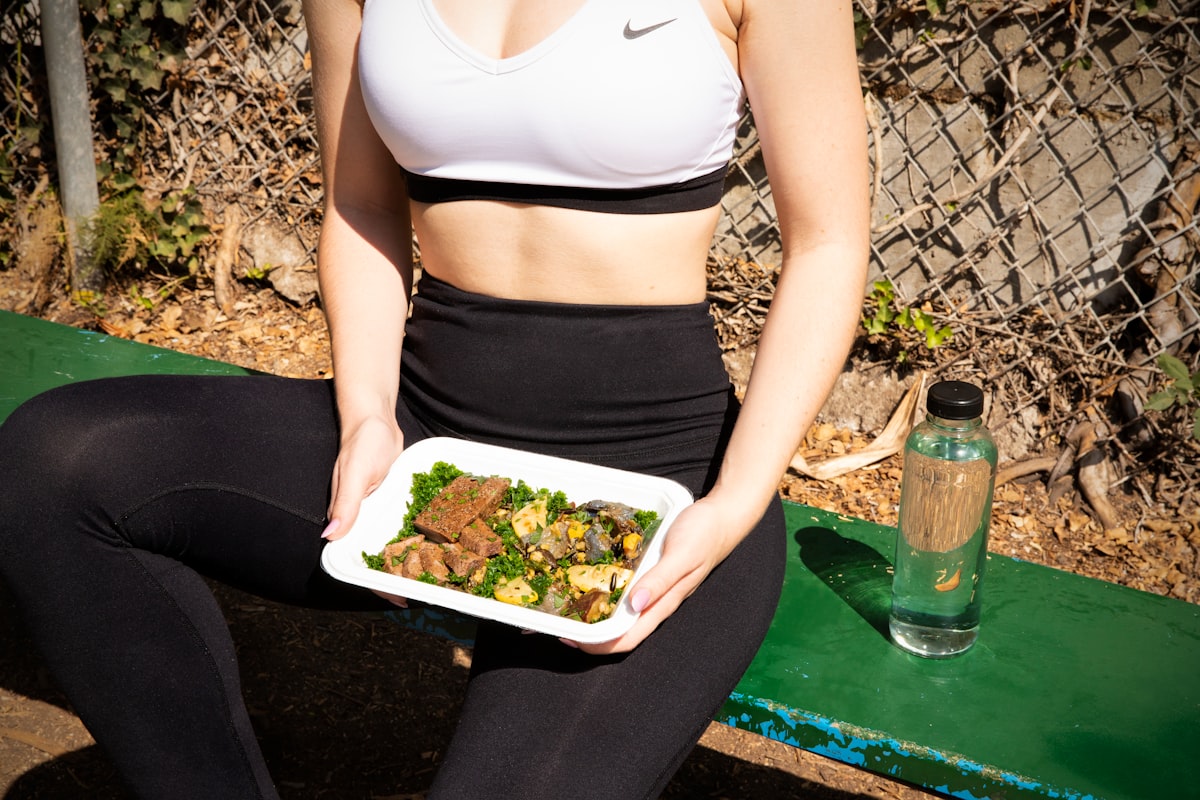
The 4-Step Nutrition Framework for Beginners
Assess Your Goals
Define whether you're training for endurance, strength building, weight management, or sports performance. Clear goals shape your macronutrient targets and meal frequency strategy.
Calculate Your Macros
Determine your ideal protein, carbohydrate, and fat ratios based on your training intensity and body composition goals. Personalized macro targets ensure optimal fuel and recovery.
Plan Your Meals
Build a meal structure that aligns with your training schedule. Strategic timing of carbs, proteins, and fats around workouts enhances performance and accelerates recovery.
Track & Adjust
Monitor your intake and performance metrics weekly. Make evidence-based adjustments to nutrition as your training progresses and your body's needs evolve.
Essential Nutrients Every Athlete Needs
Protein
Essential for muscle repair, growth, and adaptation to training stress. Beginners typically need 1.2–2.0 grams per kilogram of body weight daily, depending on training intensity and goals. Quality sources include lean meats, eggs, dairy, legumes, and plant-based options.
Carbohydrates
Your primary energy source for high-intensity training and endurance activities. Complex carbs like whole grains, oats, and sweet potatoes provide sustained energy and fiber. Timing carbohydrate intake around workouts maximizes performance and recovery.
Healthy Fats
Support hormone production, nutrient absorption, and inflammation management. Prioritize unsaturated fats from avocados, olive oil, nuts, and fatty fish. Essential omega-3 and omega-6 fatty acids are crucial for joint health and cognitive function.
Micronutrients
Vitamins and minerals including iron, zinc, magnesium, and B vitamins regulate energy production, immune function, and muscle contraction. A varied diet rich in colorful vegetables, fruits, and whole foods ensures adequate micronutrient intake.
Hydration
Critical for thermoregulation, nutrient transport, and performance. Most athletes need 2.7–3.7 liters daily, adjusted for climate, training intensity, and sweat rate. Proper hydration prevents fatigue, cramps, and decrements in strength and endurance.
Fiber
Supports digestive health, stable blood sugar, and sustained energy throughout training. Aim for 25–35 grams daily from whole grains, vegetables, legumes, and fruits. Adequate fiber intake improves nutrient absorption and overall gastrointestinal function.
Pre-Workout, Intra-Workout, and Post-Workout Nutrition
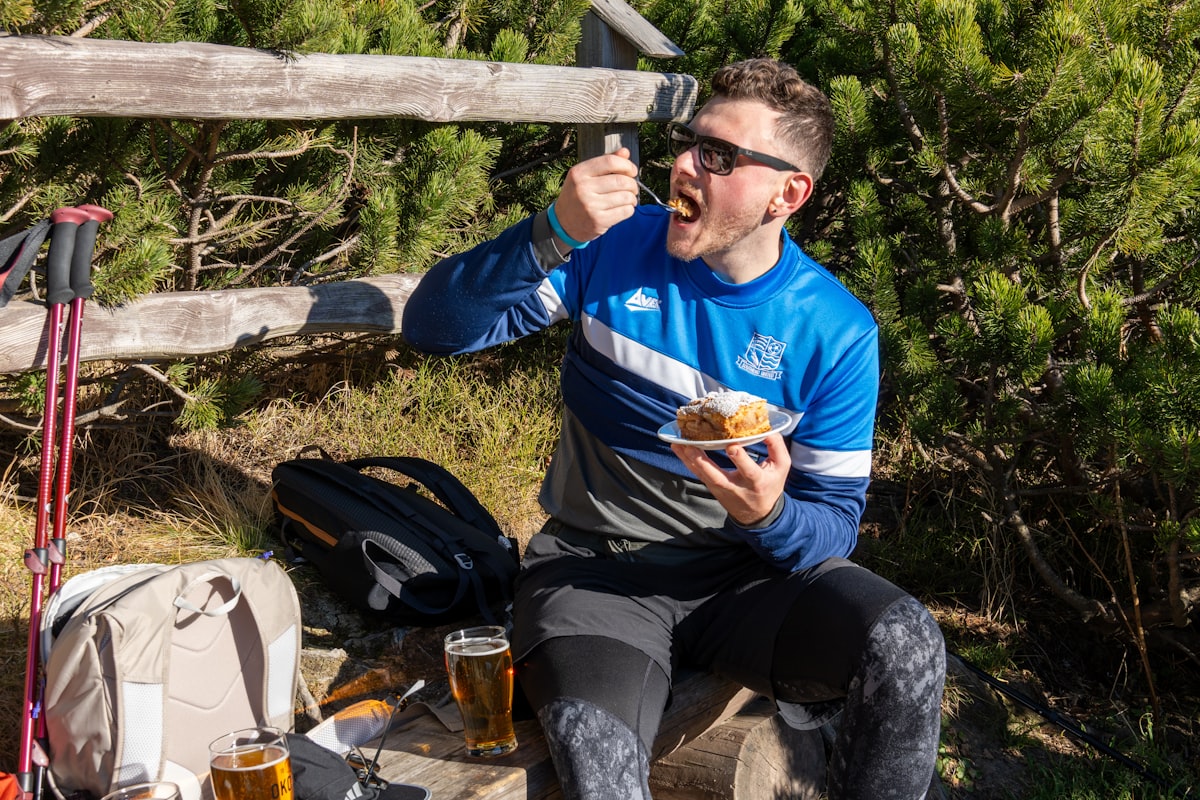
Pre-Workout Nutrition (60–90 Minutes Before)
Consume a balanced meal containing easily digestible carbohydrates and moderate protein. Examples include oatmeal with banana, toast with almond butter, or a rice bowl with lean chicken. Avoid high-fat and high-fiber foods that may cause GI distress during intense exercise.
Proper pre-workout fueling provides sustained energy, improves mental focus, and enhances contractile muscle function. Hydration before exercise is equally critical—drink 400–600 ml of water 2–3 hours before training.
Intra-Workout Nutrition (During Exercise)
For sessions exceeding 60 minutes of high-intensity work, consume 6–8 grams of carbohydrates per kilogram of body weight per hour. Sports drinks, gels, or energy bars deliver fast-absorbing glucose to maintain blood sugar and prevent fatigue.
Hydration is paramount during exercise. Aim for 150–250 ml of fluid every 15–20 minutes, adjusting for temperature, humidity, and individual sweat rate. Electrolytes in sports drinks help with fluid retention and muscle contraction.

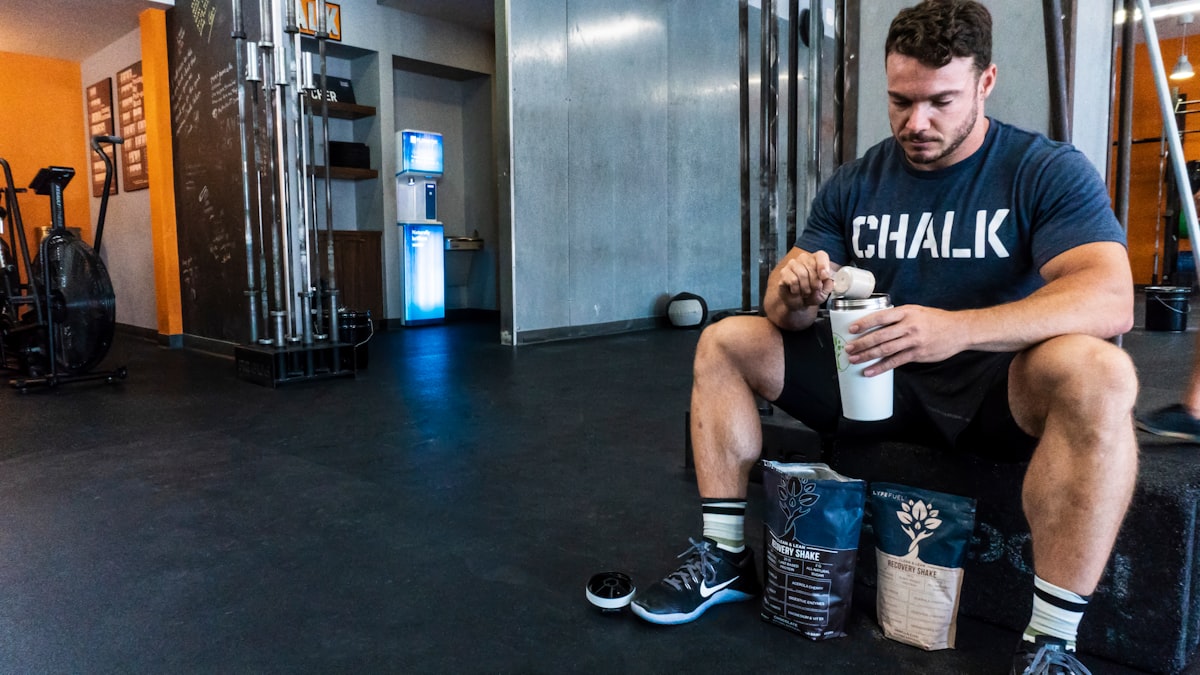
Post-Workout Nutrition (Within 30–60 Minutes)
Consume protein and carbohydrates immediately after training to initiate muscle protein synthesis and replenish glycogen stores. A 3:1 carbohydrate-to-protein ratio is optimal. Examples include a protein shake with fruit, Greek yogurt with granola, or a turkey sandwich.
Post-workout hydration must address fluid losses from sweating. Drink 150% of fluid lost during exercise over 4–6 hours, including electrolytes to improve retention. Timely nutrient intake accelerates recovery and prepares your body for the next training session.
Key Features of Our Editorial Approach
Evidence-Based Information
All articles and guides are grounded in peer-reviewed research and expert nutritionist perspectives. We prioritize scientific accuracy and current sports nutrition standards.
Beginner-Friendly Content
We break down complex nutrition science into clear, actionable steps. No jargon, no overwhelm—just practical guidance you can implement immediately in your training and eating habits.
Comprehensive Meal Guides
Access detailed meal planning frameworks, sample menus, and recipe ideas tailored to different sports and training goals. Learn how to fuel your specific discipline.
Performance Optimization Strategies
Learn how to timing macronutrients, manage body composition, and enhance recovery through nutrition science. Discover how professional athletes structure their dietary approach.
Community-Focused Insights
Read real stories from athletes who applied these principles. Learn what worked for them and avoid common nutritional pitfalls that slow progress.
Continuous Learning Resources
Stay updated with the latest nutrition research, trending dietary approaches, and athlete success strategies. Our content library grows constantly with fresh, relevant information.
Success Stories from Our Readers
The meal planning articles completely changed how I fuel my training. I was eating randomly before, and my energy crashes were brutal. After following the pre/post-workout nutrition guide, my performance skyrocketed within three weeks. I'm stronger, faster, and recover so much better. This resource is gold for any beginner athlete.
Marcus Chen, Cape Town
Marathon Runner
I was confused about macros and protein timing until I found Fitnessnutritioncore. The step-by-step framework made everything click. I feel stronger and have seen great progress in the gym since following the advice. The evidence-based approach gave me confidence that I'm doing things right.
Amara Okafor, Johannesburg
Strength Athlete
Common Questions About Sports Nutrition
For most beginner athletes, 1.2–2.0 grams of protein per kilogram of body weight daily is adequate, depending on your training intensity and goals. Strength-focused athletes typically need toward the higher end (1.6–2.0 g/kg), while endurance athletes may thrive on 1.2–1.4 g/kg. Distribute protein evenly across 4–5 meals throughout the day to maximize muscle protein synthesis. Start at 1.4 g/kg and adjust based on your recovery and progress over 4–6 weeks.
Ideally, consume a balanced meal containing carbs and protein within 30–60 minutes after training. This window is prime for muscle glycogen replenishment and muscle protein synthesis. However, research shows that if you've eaten a good meal 2–3 hours before your workout, the "anabolic window" is less critical. The most important factor is total daily protein and carbohydrate intake. That said, eating soon after intense training optimizes recovery and prepares your body for the next session, so it's a good habit to develop.
Absolutely. Plant-based athletes can achieve excellent muscle growth by consuming adequate protein from legumes, tofu, tempeh, seitan, nuts, seeds, and whole grains. Combine different plant proteins throughout the day to ensure you get all nine essential amino acids. Aim for the same 1.6–2.0 g/kg daily target, but spread across more meals due to lower amino acid density in plant sources. Pay special attention to vitamin B12, iron, zinc, and omega-3 fatty acids, which are easier to obtain from animal products. Many elite plant-based athletes prove that meat is optional—consistency and total protein intake matter most.
Track your energy levels, performance metrics, body composition, and recovery quality over 2–4 weeks. If you feel constantly fatigued, lose strength, or experience frequent cravings, you're likely under-eating. If you gain 0.5–1 kg of body weight weekly (during a muscle-building phase) without performance improvements, you might be overeating. Use a nutrition app to log food for a week, calculate your average intake, and compare it to your calculated needs. Adjust by 200–300 calories at a time and re-assess every 3–4 weeks. Consistency in tracking reveals patterns that guide accurate adjustment.
Whole foods should always be your foundation. A well-balanced diet covers 90% of beginner athletes' needs. That said, some supplements like whey protein powder, creatine monohydrate, and a basic multivitamin may be helpful for convenience or filling nutritional gaps. Before adding any supplement, ensure your whole-food nutrition is solid and your training is consistent. Research any supplement for quality, safety, and efficacy. Remember: supplements enhance a good diet and training plan—they don't replace either. Consult content from evidence-based sources before experimenting with new products.
Dehydration as small as 2% of body weight loss impairs strength, endurance, and cognitive function. Your muscles need water for contraction, your cardiovascular system relies on blood volume for temperature regulation, and nutrient transport depends on hydration. Drink consistently throughout the day—not just during workouts. Most beginners need 2.7–3.7 liters daily, adjusted for climate, sweat rate, and training intensity. Monitor urine color (pale yellow is ideal) as a simple hydration indicator. During exercise longer than 60 minutes, consume 150–250 ml of fluid every 15–20 minutes. Electrolyte drinks (sodium, potassium) improve retention and prevent cramping during intense or prolonged activity.
Explore Our Complete Nutrition Library
Discover in-depth articles, meal planning guides, and evidence-based strategies covering every aspect of sports nutrition. Whether you're building muscle, improving endurance, or optimizing recovery, our editorial content guides your athletic journey.
What Our Community Says
"Fitnessnutritioncore transformed how I approach my training. The personalized nutrition plans are science-backed and actually work. I've never felt stronger!"
Sarah Mitchell
Competitive Athlete
"The meal planning guides are incredibly detailed and easy to follow. I've lost significant weight while maintaining muscle mass. Highly recommend!"
James Rodriguez
Fitness Enthusiast
"As a coach, I recommend Fitnessnutritioncore to all my clients. The educational resources are unmatched in the fitness industry."
Amanda Chen
Strength & Conditioning Coach
Ready to Optimize Your Nutrition?
Join thousands of athletes and fitness enthusiasts who are achieving their goals with science-backed nutrition strategies. Start your transformation today.
Frequently Asked Questions
Simply sign up for an account, complete your fitness assessment, and our algorithm will generate a personalized meal plan based on your goals, dietary preferences, and activity level. You can adjust and customize the plan anytime.
Yes! Our platform supports multiple dietary approaches including vegetarian, vegan, keto, paleo, Mediterranean, and more. You can specify your preferences, allergies, and food dislikes, and our system will create compliant plans.
Absolutely! Our advanced tracking dashboard lets you log meals, monitor macronutrient intake, track weight and measurements, and visualize your progress with detailed charts and insights over weeks and months.
Yes! Our support team is available 24/7 via email, live chat, and phone. Premium members also get access to certified nutritionists for personalized consultations and guidance.
We combine AI-powered personalization with evidence-based nutrition science. Our plans are designed by certified nutritionists and sports dietitians, offering a perfect balance of science, convenience, and results-driven methodology.